Finding the Right School in Spain: An International Family's Experience
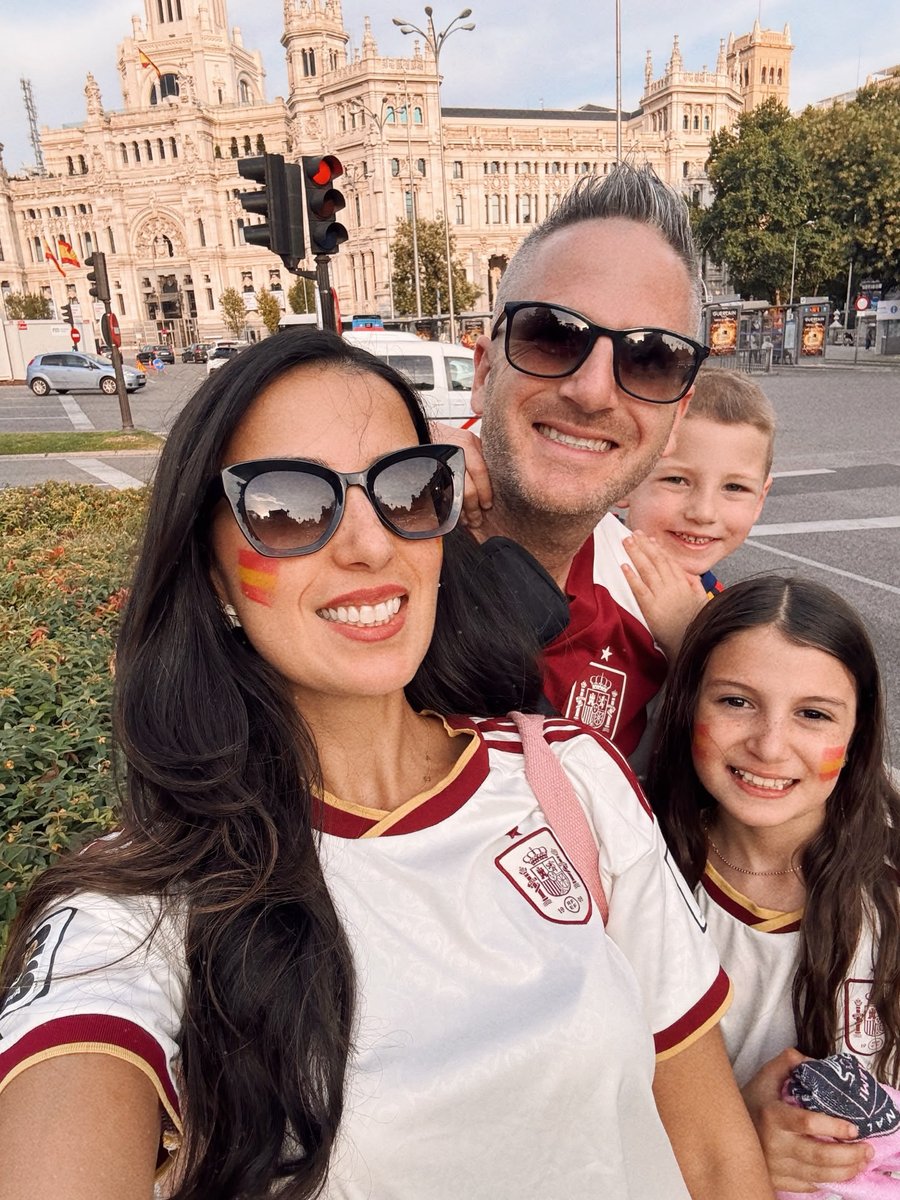
Choosing a school in a new country is about more than curriculum and language. Isis Mesa-Rubin shares how her family approached the search for a school in Spain, what surprised her along the way, and why finding the right community made all the difference.
Moving to a new country with children comes with plenty of decisions, and choosing the right school is often one of the biggest. For international families moving to Spain, the process can be particularly challenging. From understanding the differences between public, concertado and private schools to finding out how schools support children who are new to Spanish, there is a lot to consider.
For Isis Mesa-Rubin, who shares her family's experiences on Instagram as @raisingthemabroad, finding the right school meant looking beyond the type of school or its academic offering. With two children, aged 6 and 10, her family began researching their options approximately a year before their move.
Follow @raisingthemabroad on Instagram
We spoke to Isis about her school search, the factors that shaped her final decision, and what she would recommend to other parents navigating the Spanish education system.
Starting the school search well in advance
With two school-aged children preparing for a major transition, Isis and her family decided to start looking for a school well before moving to Spain.
Rather than waiting until they arrived, they began researching schools online and arranging virtual tours to narrow down their options. Once they had identified their favourites, they visited their top choices in person approximately three months before the move.
In total, they seriously considered three schools.
For Isis, visiting in person was an important part of the decision-making process.
“Seeing it in person made the final decision so much easier,” she explains.
Her experience highlights the value of combining online research with school visits whenever possible. Websites and virtual tours can help families create a shortlist, but experiencing the atmosphere of a school firsthand can provide a different perspective.
Finding reliable information about schools in Spain
One of the challenges Isis encountered was the difference in how easily information was available depending on the type of school.
“For private schools, information was easier to find. For concertados and public schools, it was much harder, especially what daily life at the school is like and what support they offer kids who are new to Spanish.”
This is an important consideration for international families. While school websites may provide information about curricula, facilities and admissions, it can be harder to understand what everyday school life actually looks like.
Parents may want to know how teachers welcome new pupils, what language support is available, how children settle into the classroom and how the school communicates with families.
These details can have a significant impact on a child's experience, particularly when they are adjusting to a new language and culture at the same time.
For parents researching schools in Spain, it can therefore be helpful to look beyond official school information. Speaking to other parents, asking specific questions during school visits and reading first-hand experiences can help build a more complete picture.
What mattered most when choosing a school?
When it came to making the final decision, Isis focused on three main factors:
- Educational philosophy: Finding an approach to learning that suited her children's needs.
- Atmosphere: Choosing an environment where her children would feel comfortable and welcome.
- Experience with international families: Finding a school that understood the needs of children arriving from another country.
Ultimately, the family wanted their children to feel welcome from day one.
Interestingly, whether a school was public, concertado or private was less important than finding the right fit.
“We simply chose the school that best suited our children. The type of school mattered less to us than how it felt and whether it was the right fit for them.”
This is a useful reminder for parents who are beginning their own search. Although the differences between public, concertado and private schools are worth understanding, the school category alone cannot tell you whether a particular school will suit your child.
Two schools following similar curricula may offer very different experiences in terms of atmosphere, teaching approach, communication and community.
The question is not simply which type of school is best, but which individual school best meets your family's needs.
The unexpected importance of the parent community
One of the biggest surprises for Isis was how important the parent community would become.
Initially, she had not given it much thought. However, the welcoming community her family found has become one of the highlights of their experience in Spain.
“The community of parents. I didn't think much about it at first, but the community we found is so warm and welcoming.”
She describes weekly get-togethers in the local plaza, where parents chat while the children play together.
“These weekly plaza get togethers, with the families chatting and the kids playing, have made this transition feel even more like home.”
For a family settling into a new country, these everyday moments can be just as meaningful as what happens inside the classroom. Friendships between children can help them settle in, while connections between parents can provide a valuable support network.
A school community can also help families navigate unfamiliar routines, local customs and the practicalities of everyday life in Spain.
This is why it can be worth asking about more than class sizes and academic results when visiting a school. Parents might also want to understand how the school encourages families to connect, whether there are social events, and how welcoming the community is to newcomers.
Has the school lived up to expectations?
Now that the family has had time to settle in, Isis says the school has, in many ways, exceeded her expectations, particularly when it comes to her children.
There is, however, one area where she had hoped for more: communication.
“The one area we expected to be a bit better is how the school communicates information.”
Communication is an important part of the relationship between a school and its families. For parents who are new to Spain, clear and timely information can be especially valuable, helping them understand school routines, expectations and their children's progress.
During a school visit, it can be useful to ask how teachers communicate with parents, which channels the school uses, how frequently updates are provided and whether information is accessible to families who are still learning Spanish.
These practical details may not always be obvious during the admissions process, but they can have a real impact on the day-to-day experience of school life.
Despite this area for improvement, Isis has no doubts about her family's decision.
“Yes, absolutely. I think it was the best decision for what our children needed during this major transition. There isn't anything I would do differently.”
Isis's advice for parents choosing a school in Spain
Looking back on the process, Isis has three key recommendations for families starting their own school search.
1. Choose the school that fits your children, not the type of school.
Don't assume that a public, concertado or private school is automatically the right choice. Consider your children's personalities, educational needs, language skills and the environment in which they are most likely to thrive.
2. Research online, but visit in person if you can.
Online research and virtual tours are excellent ways to narrow down your options, especially when planning an international move. However, visiting a school in person can help you get a better feel for its atmosphere and whether it seems like the right place for your family.
3. Don't underestimate the parent community.
A welcoming school community can make a huge difference when settling into a new country. Look for signs that families connect with one another and ask how the school helps new pupils and parents feel included.
Finding the right school is about more than academics
Isis's experience illustrates how choosing a school in Spain involves more than comparing curricula, fees or facilities. For international families in particular, the atmosphere, the school's experience with children from abroad and the support available during the transition can all play an important role.
It also highlights why first-hand experiences from other parents can be so valuable. Official school information tells you what a school offers, but parents can often provide additional insight into what it feels like to be part of that school community.
At ColegioCheck, we believe that sharing these experiences helps families make more informed decisions. Every child is different, and there is no single school that is right for every family. The more parents share their honest experiences, the easier it becomes for others to discover which schools might be the right fit for their children.
Are you looking for a school in Spain?
Explore school profiles and read other parents' experiences on ColegioCheck. And if your child already attends a school, consider sharing your own experience to help another family make this important decision.